
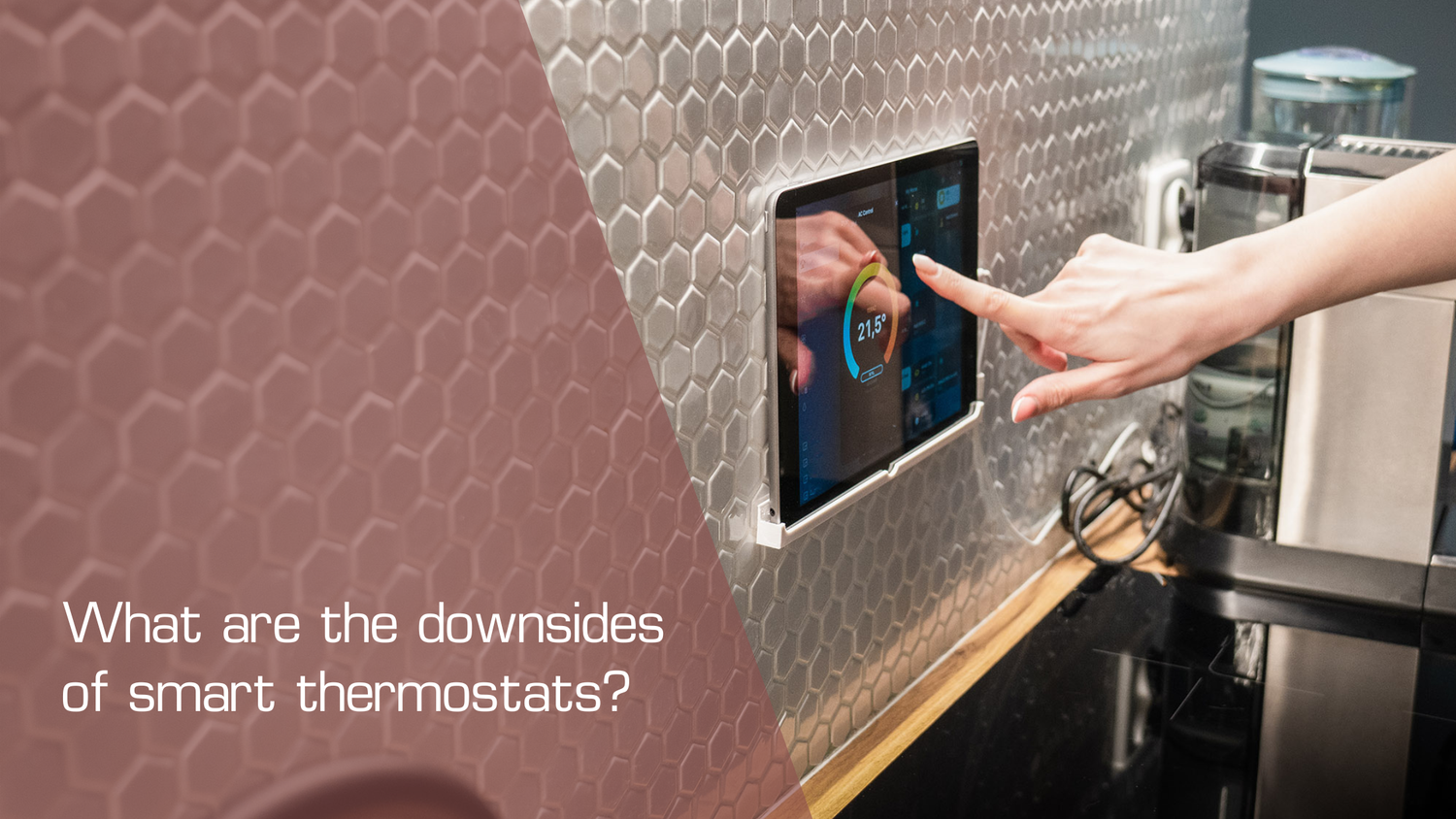
Smart thermostats are often praised for their convenience and energy-saving potential. App control, automation and modern design make them appealing, but they aren’t always the best fit for every home or rental property.
Before choosing one, it’s worth considering some of the common downsides.
They can be overly complex
Many smart thermostats come with advanced features that not all users want or understand. For tenants, this complexity can lead to incorrect settings, frequent overrides, or frustration.
Clear, time-based systems like TIME:O:STAT are easy to understand and use consistently.
They rely on internet and apps
Smart thermostats usually depend on Wi-Fi and mobile apps. If connectivity drops or software issues occur, heating can be disrupted.
Higher costs aren’t always matched by savings
Upfront costs for smart thermostats are typically higher, and some include installation fees or subscriptions. While savings are possible, they depend heavily on behaviour, property insulation and correct setup.
TIME:O:STAT, offer predictable control without unnecessary ongoing costs.
Not always ideal for rental properties
In rental settings, smart thermostats can cause confusion or tension. Tenants may feel restricted by remote controls or unsure how to use the system properly. Simpler heating controls often lead to fewer issues and happier tenants.
Data and privacy considerations
Smart thermostats collect usage data, which can raise privacy concerns for some users. Not everyone is comfortable with connected devices tracking daily routines.
Final Thoughts
Smart thermostats can be a good choice for some households, but they’re not without drawbacks. Complexity, cost, connectivity and usability all matter.
For many landlords and tenants, simple, reliable solutions like TIME:O:STAT provide a more balanced and effective approach to heating control.


Leave a comment
This site is protected by hCaptcha and the hCaptcha Privacy Policy and Terms of Service apply.